Why ER Doctors Want Seniors to Stop Grabbing The Towel Bar: Try This Instead
“65% of senior falls needing hospitalization happen in the bathroom - and almost no family knows about the 5-second fix that prevents most of them.” says the retired trauma nurse. “In 28 years on the ER trauma floor, I saw the same accident come through my doors over a thousand times. I’m done staying quiet about it.”
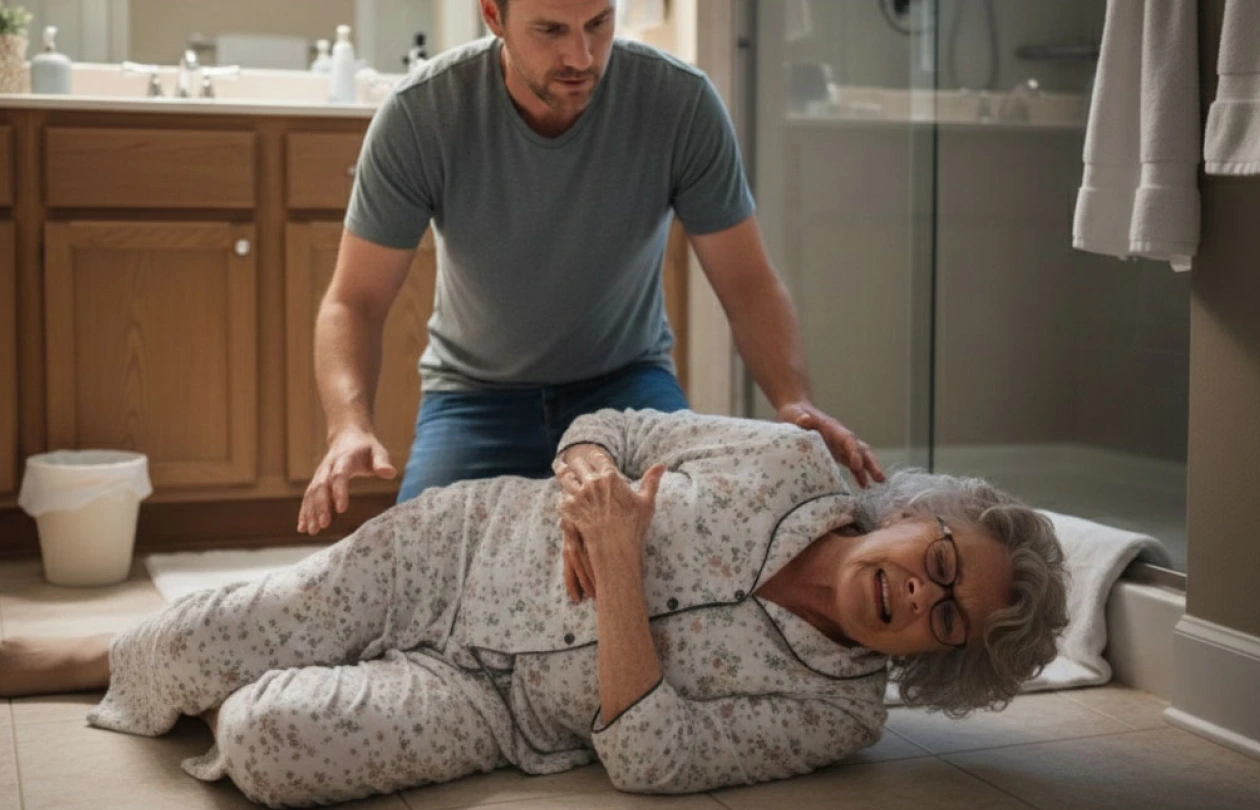
It was a Sunday morning. 8:14 a.m.
The ambulance bay doors slid open.
In 28 years on trauma intake at a regional hospital in the Midwest, Carla Reynolds had stopped counting how many fall patients she’d seen. Her colleagues said the number ran into the low thousands.
But there was a smaller number that mattered more.
It was three.
Three patients Carla had seen come back. Same accident. Same family in the corridor. Same look on their faces.
One of them was Doris Halloran.
The first time Doris came in, she was 76. She’d slipped getting out of her shower. Bruised ribs. A sprained wrist. They sent her home with a fall-prevention brochure.
Carla watched the daughter fold the brochure into her purse without reading it.
Eleven months later, Doris came back.
Same shower. Same step out. This time her head struck the corner of the tub on the way down.
She didn’t walk out of the hospital under her own power.
And she didn’t, in any meaningful sense, walk again.
The daughter recognized Carla in the corridor. She didn’t say anything. She just shook her head — slowly, like someone trying to negotiate with a fact.
“That one stayed with me,” Carla says. “Because we had told her. The family wasn’t careless. The information just wasn’t enough. They didn’t have the right thing in the bathroom. And nobody had told them what the right thing actually was.”
The Room Where Carla Saw Most Of It Happen — And The Room Almost Every Family Underestimates
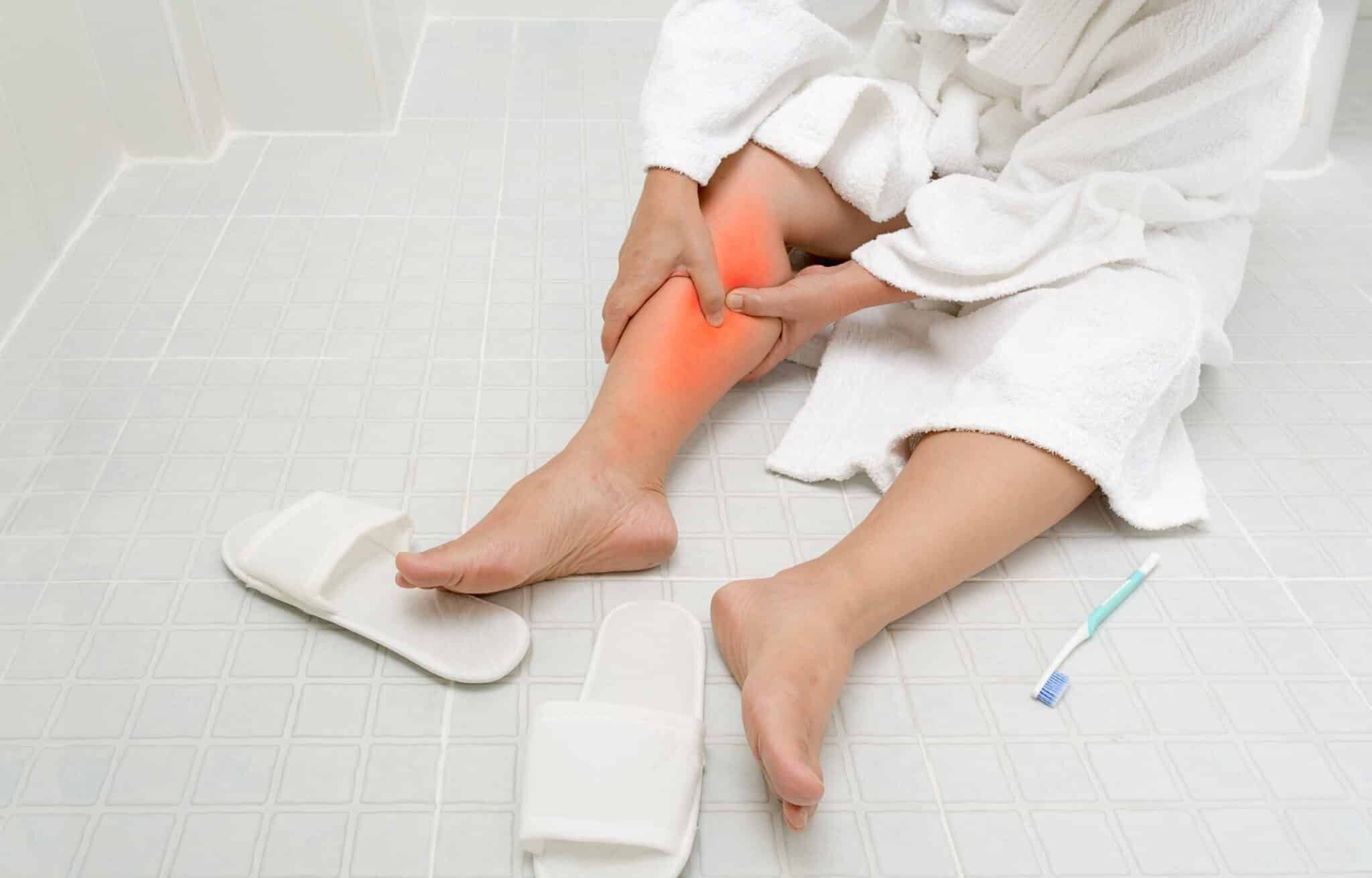
1 in 4 adults over 65 falls each year in the United States, according to CDC data.
3 million+ older Americans are treated in emergency departments for fall injuries every year.
95% of hip fractures in seniors are caused by a fall — most often inside the home.
Carla retired three years ago, after nearly three decades on the trauma floor.
She watched the same chart fill out over and over. Different name. Different family. The same set of circumstances.
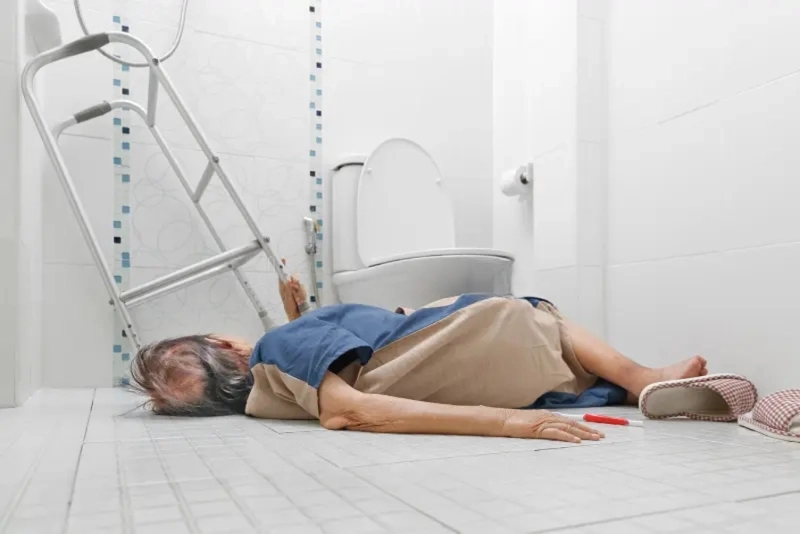
A senior who had been managing on their own for years. One step out of the tub. One wet tile. One half-second where there was nothing solid to grab.
Then everything changes.
“People picture bathroom falls happening to someone frail and unsteady,” Carla says. “That isn’t who I saw on my gurneys. I admitted retired teachers, retired engineers, women who still gardened, men who still drove themselves. The bathroom is built for these falls to happen — smooth tile, water everywhere, nothing within arm’s reach that can take a person’s weight.”
And the most quietly dangerous part is what happens after.
Doris had been on her bathroom floor for more than an hour the second time.
Many of Carla’s patients weren’t found for hours. Some weren’t found until the next morning.
On cold tile, with hypothermia setting in, that wait stops being incidental. It becomes part of the injury.
After Doris, Carla Started Asking The Question Nobody Was Answering
After her retirement, Carla had time. She started reading. She asked every physical therapist and occupational therapist she still kept in touch with the same question over coffee: What actually prevents these falls in the first place?
The answer was almost boringly consistent: Give the person something solid to grab during the moment of imbalance.
That was the theory. But when Carla started looking at the actual options available to regular families — people who weren’t home renovation experts, who rented, whose parents lived in another state — the list of practical solutions kept getting shorter.
- ✗ Professionally installed grab bars: Roughly $250–450 per bar with parts and labor. Requires drilling into tile. A contractor who can show up in under three weeks. Damaging to walls. And for renters — usually flat-out forbidden.
- ✗ Walk-in tub conversions: $5,000–8,000 in most markets. Three to four weeks of renovation. Off the table for renters, and off the table for anyone who needs a solution this week.
- ✗ Shower chairs: Bulky. Clinical-looking. Most seniors refuse to use them after the novelty wears off. The phrase Carla heard most often from her former patients: “It makes my own bathroom feel like a nursing home.”
- ✗ Non-slip bath mats: Genuinely helpful for footing on the shower floor. Useless the moment the person is already losing their balance with nothing to reach for. Mats prevent slips. They don’t prevent the fall that follows.
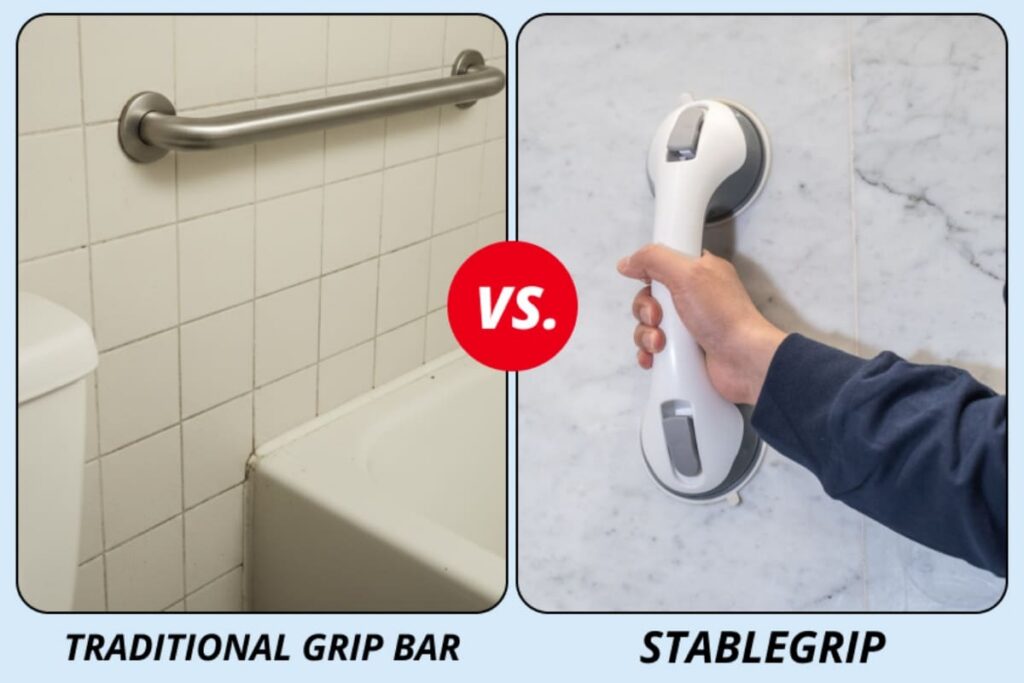
- ✗ Towel bars: Decorative hardware mounted in drywall. Carla had seen multiple patients arrive with bent towel bars still in their hands. The bars pull out of the wall under 30 or 40 pounds of pressure — about the weight of a half-falling adult.
“I watched families spend thousands of dollars trying to solve the wrong piece of the problem. The actual problem — having something solid within arm’s reach at the exact moment of imbalance — kept going unsolved.”
Carla kept thinking about Doris. About all the families she had seen come back. And about the fact that her older sister Margaret — 74, lived alone in a house in Ohio she’d owned since 1981 — had a bathroom with one thing to grab: a brass towel bar that was already loose where her late husband had installed it.
Then A Physical Therapist She’d Worked With For Years Said Something That Changed Her Thinking
“The single most important fall prevention intervention is something solid and load-bearing within arm’s reach at the moment of transfer — the second a person is stepping into or out of the tub or shower. Anything else you do in the bathroom is secondary. And in most of the homes we visit, that something does not exist.”
— A senior physical therapist Carla had collaborated with for over a decade on hospital discharge planning
“Moment of transfer.” Carla underlined it in her notebook.
That is the half-second when a body is going from sitting to standing, or stepping in or out of a tub. One foot bearing weight, one foot in the air. Balance hanging on a single point of contact.
That is when Doris fell. Both times.
Not while she was bathing. Not while she was drying off. The exact moment she was stepping over the edge of the tub — one leg up, wet floor on the other side, nothing within reach that could hold her.
The problem, Carla realized, wasn’t the bathroom itself. It was that the bathroom contained no anchor point.
Most are built with smooth tile, water-coated surfaces, and not one fixture rated to hold an adult’s body weight. The towel bar is decorative. The shower door is glass — it will shatter if leaned on hard. The countertop is wet and offers no grip.
The traditional fix — permanently installed grab bars — meant drilling into tile, scheduling a contractor weeks out, spending hundreds of dollars, and ending up with a bathroom that visually announced “medical equipment.”
But her PT colleague said one more thing, almost in passing: “The suction-mount technology in this category has changed completely in the last few years. Most families haven’t caught up to that yet.”
What Carla Found When She Started Looking Into The Engineering
Carla spent several months reading product spec sheets, comparing patents, and emailing back and forth with two of the OTs she trusted most from her hospital’s home-assessment program. What she found genuinely surprised her.
The kind of industrial suction-clamp technology used in glass manufacturing and lifting equipment — fixtures rated for hundreds of pounds — had been quietly miniaturized over the last few years and adapted for consumer bathroom products.
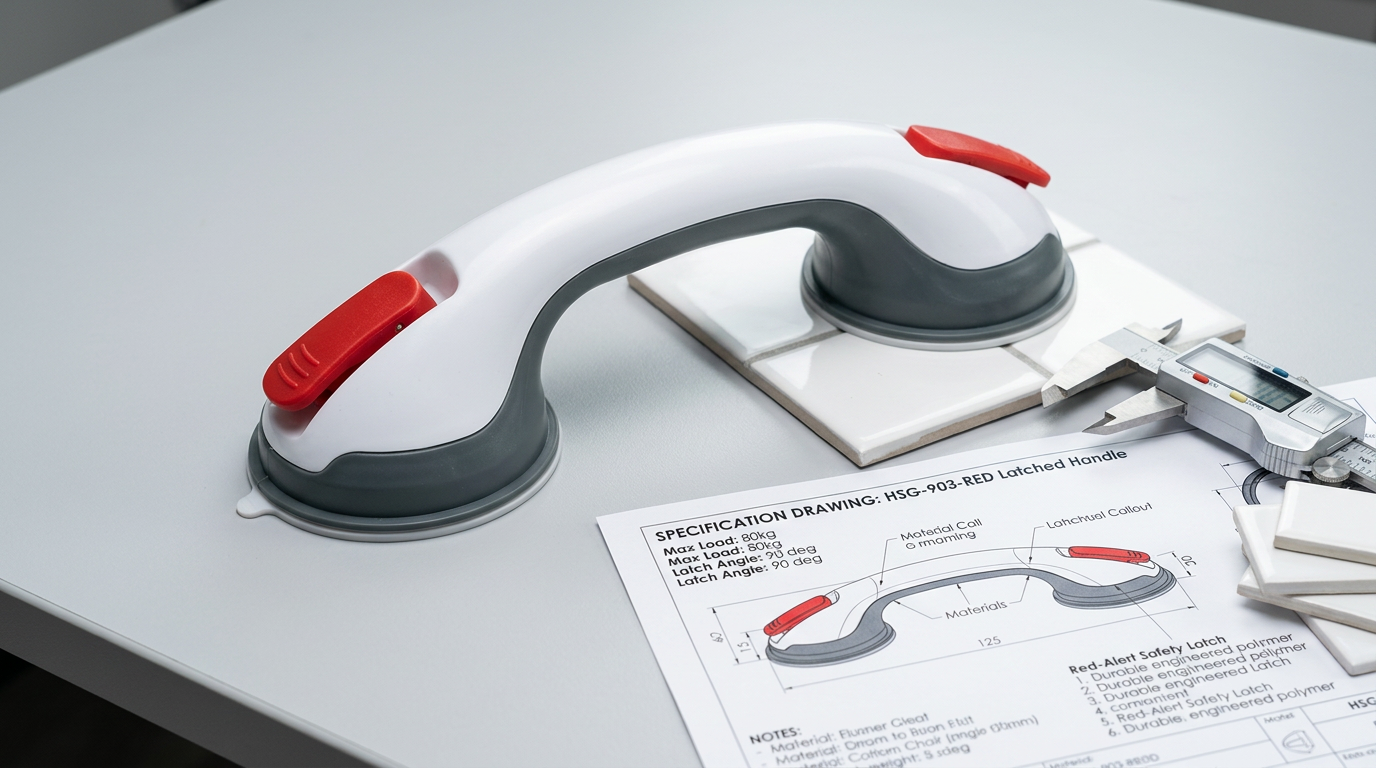
The thing that made it work wasn’t the suction cup. It was a dual lock-latch mechanism — the same principle used in high-load industrial vacuum fixtures.
When the latches engage, they create a mechanical seal between the handle and the wall. Not air pressure alone. A physical clamp.
A safety equipment manufacturer overseas had spent several years scaling this approach down for consumer bathroom hardware. The result was a portable handle that could be put in place in roughly five seconds, support up to 240 pounds, and come back off without leaving a mark on the tile.
The reason most inexpensive suction handles fail is that they depend entirely on air pressure. Any shift in humidity, temperature, or load can compromise that pressure and weaken the seal — which is why so many people have a story about one falling off the wall. A dual lock-latch system gets around this entirely. It creates a mechanical connection that doesn’t rely on suction pressure alone. It’s the same engineering principle that lets industrial vacuum lifts hold sheets of plate glass weighing hundreds of pounds on construction sites — just scaled down for a household product.
The Device Carla Drove To Ohio To Install In Her Sister’s Bathroom
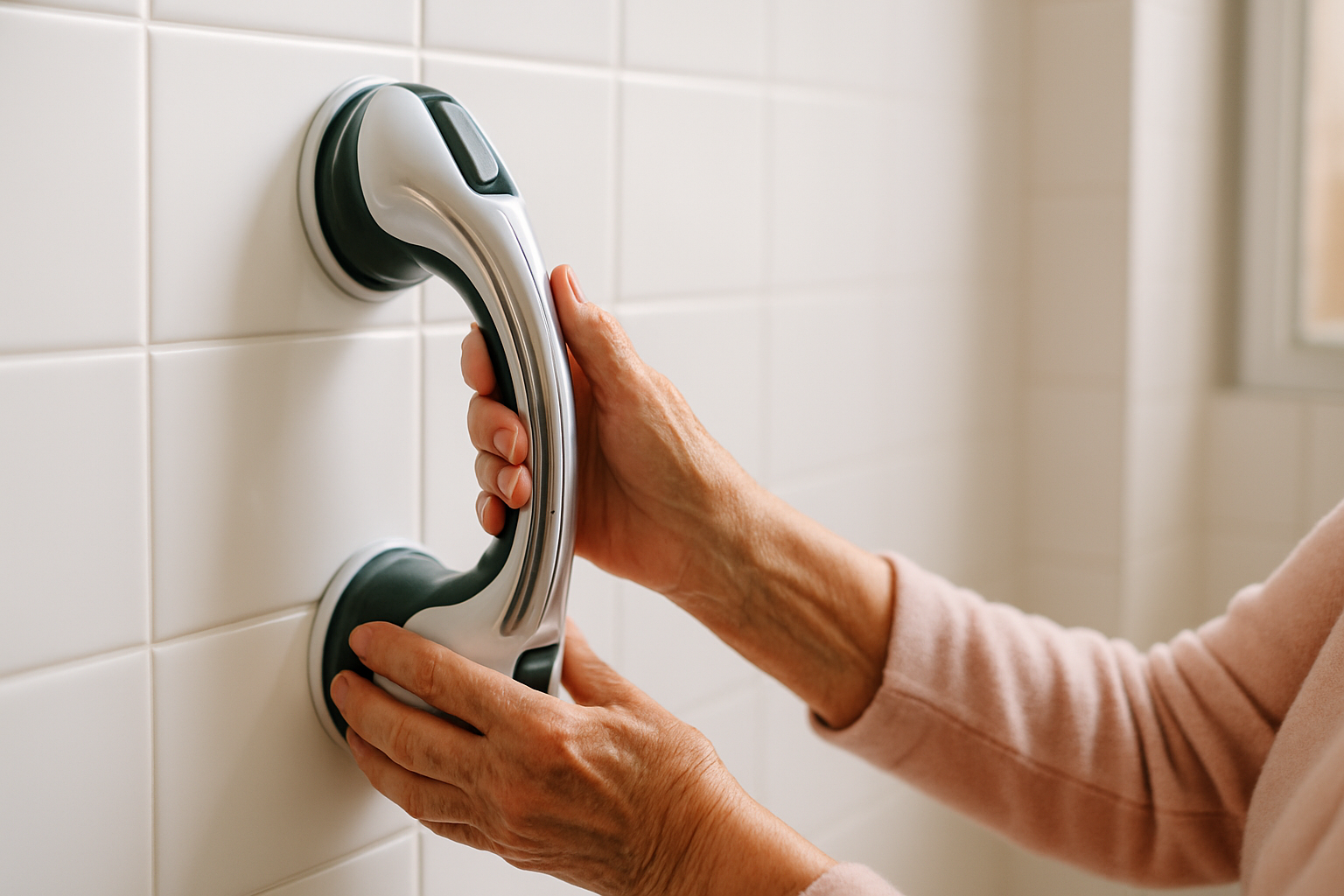
“I came across it through one of the OTs from the hospital’s home-assessment team,” Carla says. “She had been mentioning it to families she discharged for close to a year. She told me to put one in my own bathroom first and try to make it fail before I said anything to anyone.”
She did. She pressed one onto her own shower tile, flipped both latches, and put her full weight on it. Then she had her husband — six foot two, just under 200 pounds — do the same thing.
“It didn’t move. Not a millimeter. We tried for a solid five minutes to make it fail.”
The following weekend she drove the six hours to her sister Margaret’s house in Ohio. One handle by the shower. One next to the toilet. The whole installation took under three minutes.
Margaret — 74, fiercely private about anything that suggested she needed help — had quietly turned down every other safety device Carla had ever brought up. She tried this one immediately.
“She gripped it, stepped over the edge of the tub, then turned around and said, ‘Carla, why on earth didn’t somebody put one of these in here a decade ago?’”
She has been talking about it to every family she still knows ever since.
The Device Is Called StableGrip — And It Goes Up In Roughly Five Seconds
StableGrip is a portable safety handle that uses industrial-grade suction combined with a dual mechanical lock-latch system. It anchors to any smooth surface — bathroom tile, glass shower walls, marble, or fiberglass shower inserts — and is rated to hold up to 240 pounds.
There are no drills involved. No tools. No contractor. No damage to the wall. And — for the millions of seniors who rent — no landlord permission to chase down.
It can be put in place in about five seconds and removed without leaving so much as a mark.
What separates StableGrip from the alternatives:
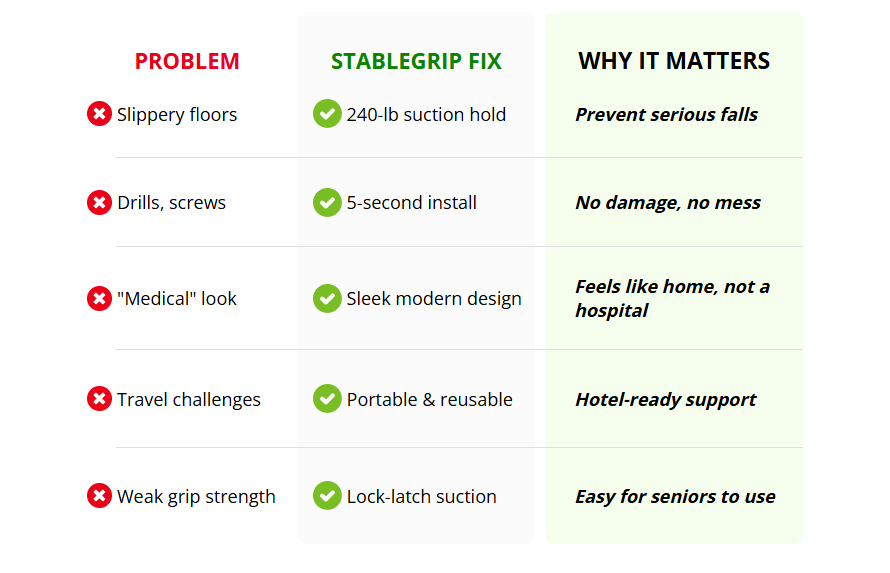
- ✗ Permanently installed grab bars: $250–450 per bar, contractor required, tile damage, two- to three-week wait, not landlord-friendly
- ✗ Shower chairs: Bulky, clinical, refused long-term by most seniors, and useless for the in-and-out moment when most falls actually happen
- ✗ Bath mats: Help footing only — offer nothing solid to reach for once balance is already gone
- ✗ Towel bars: Decorative hardware in drywall — pulls free under roughly 40 pounds of pressure, often coming off in the user’s hand
- ✅ StableGrip: Goes up in about five seconds, holds up to 240 pounds, fully portable, removes without a mark, and visually looks like modern hardware rather than medical equipment
“Stop Thinking Of This As A Suction Cup. It’s A Clamp.”
Carla is careful about how she explains this part, because she has seen the skepticism land on people’s faces in real time.
The phrase “suction cup” makes most people picture the little plastic hooks they’ve stuck to a kitchen window — the ones that fall off on a warm afternoon, or fail without warning on a tiled wall.
StableGrip is not that. It is mechanically distinct.
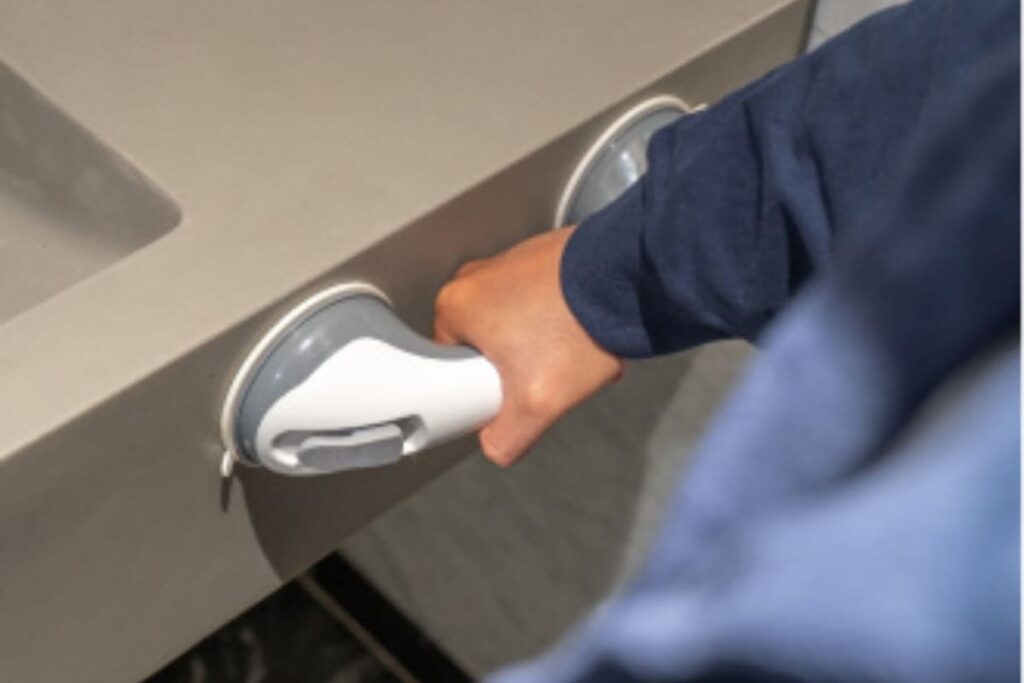
When you press the handle against the tile and flip both latches, you are not just creating an air seal. You are engaging a mechanical clamp that physically locks the handle to the surface. The suction holds the position. The latches anchor it there.
It is the same engineering principle used by industrial lifters that move sheets of plate glass around construction sites. The suction is the assist. The mechanical clamp is what carries the load.
“I have pulled on this thing with everything I have,” Carla says. “I had my brother-in-law — who is bigger than my husband — yank on it. It does not move. And he was a long-haul driver for 30 years. He pulls things for a living.”
“Dad Hasn’t Called Me About The Bathroom Since” — Stories From Other Families
Janet R.
 ✓ Verified Buyer
“My father is 83 and stubborn as the day is long. He still mows his own lawn. After a small fall last September that he didn’t tell me about until two weeks later, I started panicking. A coworker mentioned StableGrip to me at lunch. I drove out to his place on a Saturday morning, put two of them up before he had even finished his coffee, and waited for him to complain. He didn’t. He used the one by the shower that night and called me the next day to ask me to order one for his guest bath too. That phone call was worth ten times what these cost.”
Putting It On The Wall Is Simpler Than Hanging A Picture Frame
Carla says the most common reaction she gets from families after they try it the first time is a confused, almost disappointed: “Wait — that’s all of it?”
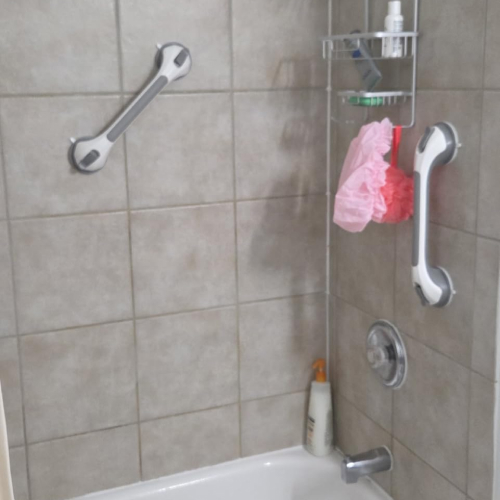
First: Wipe the surface clean and dry. Any smooth tile, glass, marble, or fiberglass shower wall will work.
Second: Press the handle flat against the wall. Position it wherever the user will naturally reach for it.
Third: Flip both latches over until each one clicks. That click is the mechanical clamp engaging.
That is the entire process. Carla timed her sister installing the second one without help: under six seconds.
Margaret, who is 74 and has arthritis in her left hand, installed it on her own.
What The Alternatives Actually Cost, Compared Side By Side
Professionally installed grab bars: $250–450 per bar (plus tile repair after the contractor leaves, plus the wait, plus the landlord conversation if you rent)
Walk-in tub conversion: $5,000–8,000 (a multi-week renovation, one bathroom out of service for the duration)
In-home aide for bathing: Roughly $25–35 per hour, daily — around $9,000–12,000 a year out of pocket if you’re paying privately, not counting the loss of privacy that most seniors find harder than the money
What a serious fall actually costs: an ER visit at $10,000–35,000, weeks of rehab and follow-up care, and — for the worst falls — nursing home care at $7,000–10,000+ per month and the cost of leaving the home you’ve lived in for decades
StableGrip: Under $50 for a pair (Buy 1, Get 1 Free promotion)
Backed by a 30-day money-back guarantee. If it does not do what they say, you send it back — no questions.
Diane W.
✓ Verified Buyer
“We rent. Our landlord won’t let us drill into the tile and the property manager hasn’t responded to a single email I’ve sent about safety upgrades. My husband had a stroke in 2023 and the bathroom has been my biggest worry ever since. We installed our first StableGrip in literally less time than it took to open the box. We have four now — two in our bathroom, one in the guest bath, one I keep in our overnight bag when we visit our daughter.”
⚠ ATTENTION: Beware of Cheap Imitations on Amazon
Due to StableGrip’s popularity, knockoff suction handles have appeared on third-party sites. These use weak suction cups, thin plastic, and have NO load testing.
A knockoff handle that fails when your parent leans on it isn’t just a waste of money. It’s a lawsuit waiting to happen.
Only buy from the official website to ensure you get the real StableGrip with industrial-grade suction, 240-lb load rating, and the full 30-day guarantee.
 AVAILABILITY UPDATE
Due to viral social media exposure, StableGrip is selling out fast.
Low Stock
remaining at discount price
Next shipment arrives in 3-4 weeks
Special Offer Almost Over: Buy 1, Get 1 Free
As part of their online awareness campaign, StableGrip is offering our readers an exclusive discount:
Buy 1, Get 1 FREE → Just $49.99 for TWO handles (One for the shower. One for the toilet. Or one for home, one for travel.)
What You Get Today with the 50% OFF + Buy One, Get One FREE Special Offer
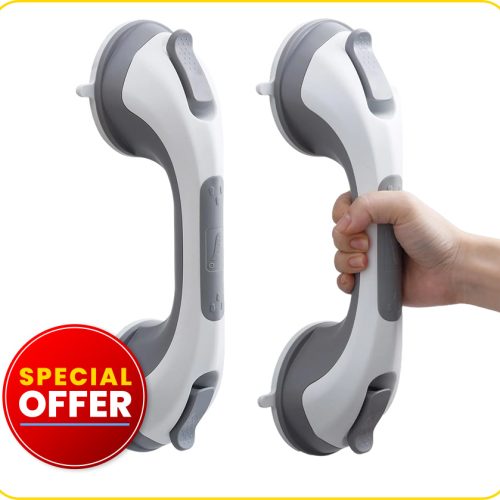
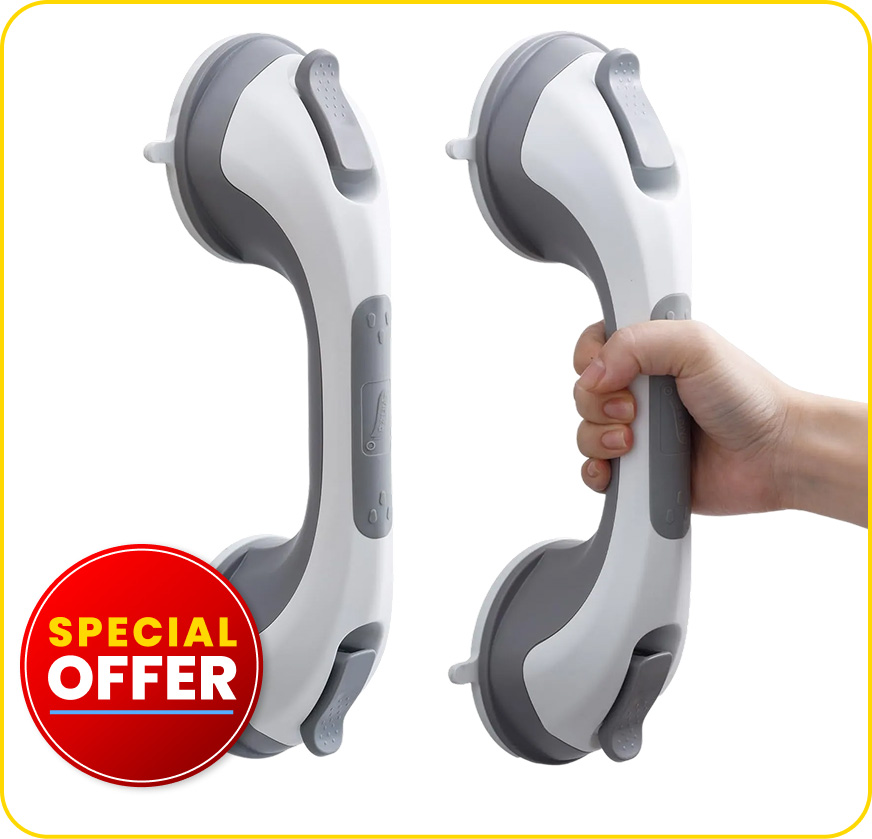
✅ Two StableGrip handles (One for home, one for travel)
✅ Simple 5-second setup — no tools, no drills
✅ Reusable on any smooth surface
✅ 30-day money-back guarantee — no risk, all reward
TODAY: Buy One, Get One FREE
Carla’s Message To Every Family Reading This
“I spent nearly three decades arriving after the fall. I was on the receiving end — the trauma intake, the X-ray station, the call to the family in the waiting room. I know exactly what a preventable injury costs a household, and most of that cost isn’t measured in dollars.”
“If someone you love is stepping in and out of a bathtub right now with nothing solid to grab onto, that isn’t a problem for someday. That is a problem for tonight.”
“StableGrip goes up in about five seconds. It costs less than a dinner out. And I have come to believe it can be the difference between an older adult keeping their home and leaving it.”
She pauses for a moment. Then adds:
“I just wish I had known about it before Doris.”
READER COMMENTS
Linda R.
3 days ago
Does this actually hold? I’m nervous about suction cups — the ones I’ve tried before always pop off.
Admin Reply
3 days
ago
Great question, Linda! StableGrip uses industrial-grade suction with mechanical lock-latches — completely different from regular suction cups. It’s been tested to hold 240 lbs on smooth surfaces. Once those latches click down, it’s not going anywhere!
James Pruitt
3 days ago
Retired firefighter. I’ve responded to more bathroom fall calls than I can count. This is exactly the kind of thing every senior bathroom needs. Bought four — two for my mom, two for my in-laws. Installed all of them in under 5 minutes total. No excuses not to have these. 👍 14
Margaret Chen
2 days ago
Can I use this on textured tile? My mom’s bathroom
has those bumpy tiles. 👍 3
Diane Kowalski
1 day ago
Margaret — it works best on smooth surfaces. My mom has slightly textured tile and it holds fine but I’d test it first. On smooth tile, glass, or marble it’s absolutely rock solid. 👍 4
Steve Hartley
2 days ago
Bought these for our RV. My wife was always nervous in that tiny shower. StableGrip sticks perfectly to the fiberglass walls. She actually enjoys showering in the RV now instead of waiting until we find a campground with real bathrooms 😂 👍 7
Sandra Whitfield
1 day ago
My mom is 87 and lives by herself two states away. I think about her bathroom every single night. These have honestly cut my anxiety in half. 👍 11
Greg Saunders
19 hours ago
Put one up in the guest bath before my mother-in-law’s visit this weekend. Literally took longer to unbox than to install. She used it without comment, which from her is high praise. 👍 7
What Families Ask Before They Order
Will it really hold an adult’s full body weight?
StableGrip is rated to hold up to 240 pounds when installed on a clean, dry, smooth surface. The dual lock-latch system creates a mechanical clamp — not just suction pressure — which is the reason the load rating is so much higher than the cheap suction-cup handles sold at most hardware stores.
What kinds of bathroom surfaces does it work on?
Any smooth, non-porous surface: ceramic tile, glass shower walls, polished marble, fiberglass shower inserts, and most acrylic. It does NOT work on textured tile, painted drywall, brick, rough-finish stone, or directly across grout lines.
How is this different from the suction handles I’ve seen at hardware stores?
Most inexpensive suction handles depend purely on air pressure, which weakens with humidity, temperature changes, and shifting load. That is why so many people have a story about one falling off the wall. StableGrip’s dual lock-latch system creates a mechanical seal in addition to the suction — the same principle industrial glass lifters use to hold hundreds of pounds at a time.
How long does the installation actually take?
About five seconds per handle, once the surface is wiped clean and dry. Press the handle flat against the wall, flip both latches until they click. No tools, no drilling, no contractor, no landlord permission.
What if it doesn’t work for my bathroom?
StableGrip is backed by a 30-day money-back guarantee. If it doesn’t hold properly on your surface, doesn’t install easily, or simply isn’t the right fit for your household, send it back. No questions, no restocking fee.
LIMITED Discounted Supply AVAILABLE
Book your EXCLUSIVE OFFER with a 50% discount!
THIS IS AN ADVERTISEMENT AND NOT AN ACTUAL NEWS ARTICLE, BLOG, OR CONSUMER PROTECTION UPDATE.
MARKETING NOTICE: This website is a marketplace. As such, you should
be aware that the owner has a financial connection to the products and services
advertised on the website. The owner receives a payment when a qualified lead is
referred, which is the extent of it.
ADVERTISING NOTICE: This website and the
products and services mentioned on the website are advertising markets. This website is
an advertisement and not a news publication. All person photos used on this page are
models. The owner of this website and the products and services mentioned on this
website provide only a service through which consumers can obtain and compare
information.